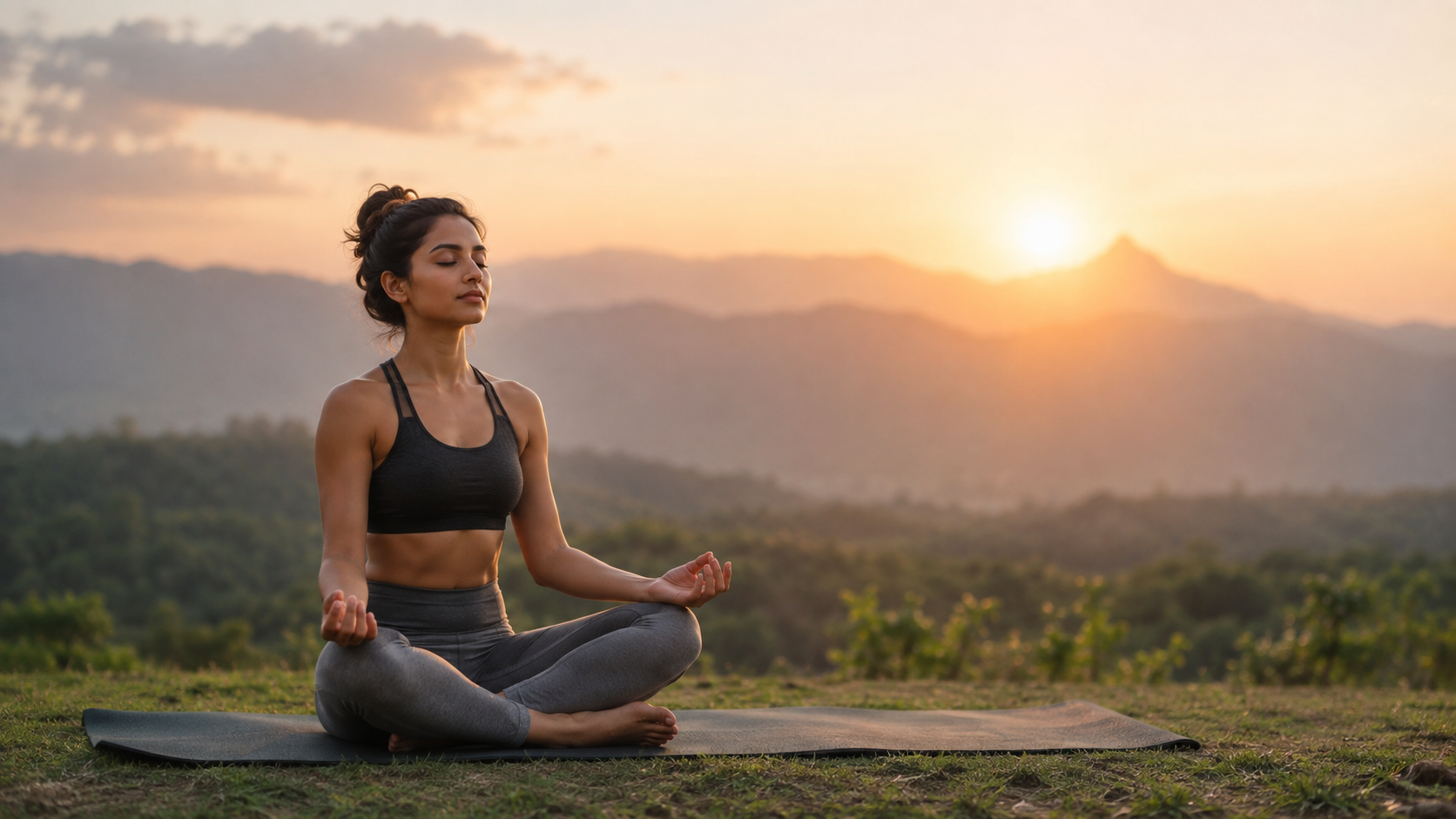
What Exactly Is Yoga and Benefits of Yoga?
Yoga started in India and has over the course of thousands of years become a number of different practices. When most people nowadays think of yoga, they usually imagine someone sitting on a mat or going through various poses. Now, although these physical exercises are an important element of modern yoga, there is still more to it than that. Yoga usually combines physical postures (asanas), breathing exercises (pranayama), meditation, relaxation, and mindfulness. Simply put, yoga asks you to pay attention. You should notice your breathing. Notice how your body feels. You should notice your thoughts. At times we simply need to pay attention.
For Example: a study found out that AI for kids is great for learning but it decreases the own thinking ability and to minimise the risk Yoga and Meditation is necessary for them,
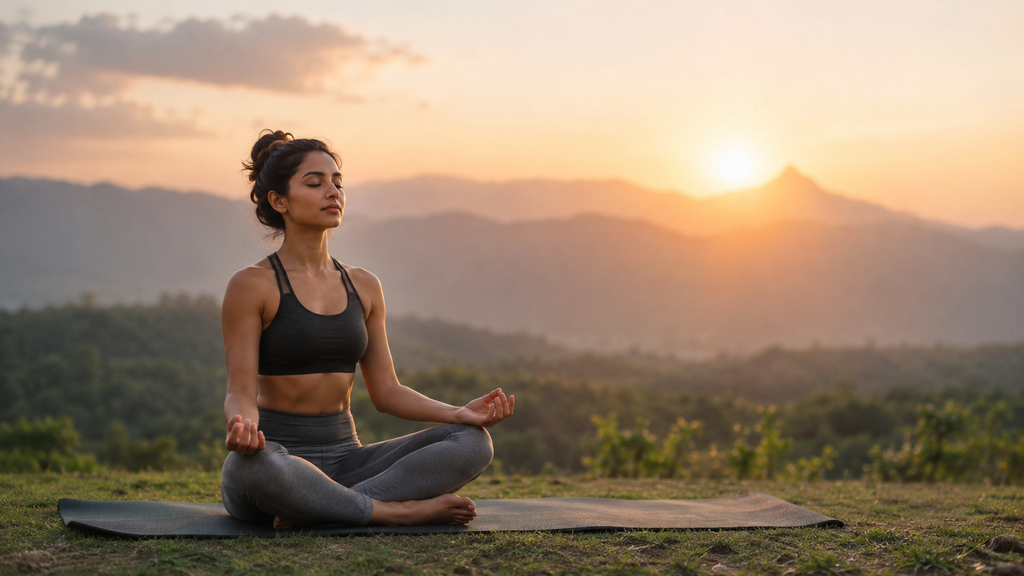
What Are the Different Types of Yoga?
One thing that may be confusing to some people is the fact that there is not only one type of yoga.
There are a few different categories of yoga and each one varies in the way they are performed.
Hatha Yoga
Hatha yoga is a slower paced style of yoga and focuses on the basic postures, breathing techniques and the awareness of yourself and your body.
If you are new to yoga, hatha may be the best type for you to start with.
Vinyasa Yoga
Vinyasa is a more moderate paced style of yoga in which you perform different postures one after another while flowing and syncing your breath.
If you prefer moving around a lot in your yoga practice, vinyasa may be the type of yoga for you.
Ashtanga Yoga
Ashtanga is a more vigorous and stricter type of yoga.
This style consists of sequences of postures which are always performed in the same order.
It is recommended that beginners stick to a less vigorous type of yoga first before trying ashtanga.
Yin Yoga
Yin yoga is the exact opposite of a vigorous and strenuous yoga practice.
This style of yoga is very slow paced and the postures have to be held for a longer period of time in order to effectively stretch a group of muscles.
Since this type of yoga is very relaxed and calming, it can be used as an introduction for people who are new to yoga.
Restorative Yoga
Restorative yoga focuses almost entirely on relaxation and uses bolsters, blankets and other props to help the body open up in a comfortable way.
If you would like to try a less strenuous type of yoga, restorative yoga just may be for you.
Kundalini Yoga
Kundalini combines physical postures with breathing techniques, meditation, chanting, mantras and more.
Kundalini goes beyond just the physical fitness aspect of yoga and puts more of an emphasis on awareness.
So what type of yoga style is best?
There is a different type for everyone and what is most important is that you find something which you are going to enjoy and you will continue to do.
Physical Benefits of Yoga
Let’s first look at the benefits of yoga you may be able to experience in your body.
Most you will likely not feel after a single session, but if you pursue it then small changes may begin to add up.
1. One of the Benefits of Yoga is it Can Help Improve Your Flexibility
You do not need to be flexible to do yoga. Actually, it’s one of the most common myths about the exercise.
When you see videos of people doing crazy contorted positions, you might think to yourself that there’s no possible way you could do that. You’re right, not really.
But that’s not what yoga is ultimately about. It meets you where you are and with practice many people find that they become much more flexible and comfortable in their own skin.
The idea isn’t to touch your toes right away, but rather to get a little bit better than you were yesterday.
2. It Can Help You Gain Strength
Yoga may look like a relaxing activity but don’t be fooled by its peaceful nature.
If you’ve ever tried a plank position, you know that it can be extremely difficult. Many yoga postures require you to support your own weight and can engage your core, legs, arms, and even your balance.
3. It Can Help Improve Your Balance
Some yoga poses can look pretty easy until you try to do them yourself.
Being able to stand on one leg and having good body control is something that many people have to work on. The good news is that with practice many find they can improve.
Having a good balance is important for many things, especially as we age.
4. One of the Benefits of Yoga is it Can Help Improve Your Posture
How much do you sit during an average day? Whether it’s at a desk, in the car, or on the couch, it’s easy to find ourselves slouching and leaning forward while looking down at our phones.
Yoga can help us become more aware of our posture, as well as strengthen the muscles that help us stand tall.
5. It Can Help You Move Better
Yoga involves stretching, strengthening, balancing and controlled movements.
All of these can help facilitate us moving better in our daily lives, whether it’s getting up from a chair or reaching something on a high shelf.
Some studies have shown that yoga can be helpful for people struggling with certain types of back and neck pain, but it’s important to speak with a doctor if you’re experiencing any discomfort.
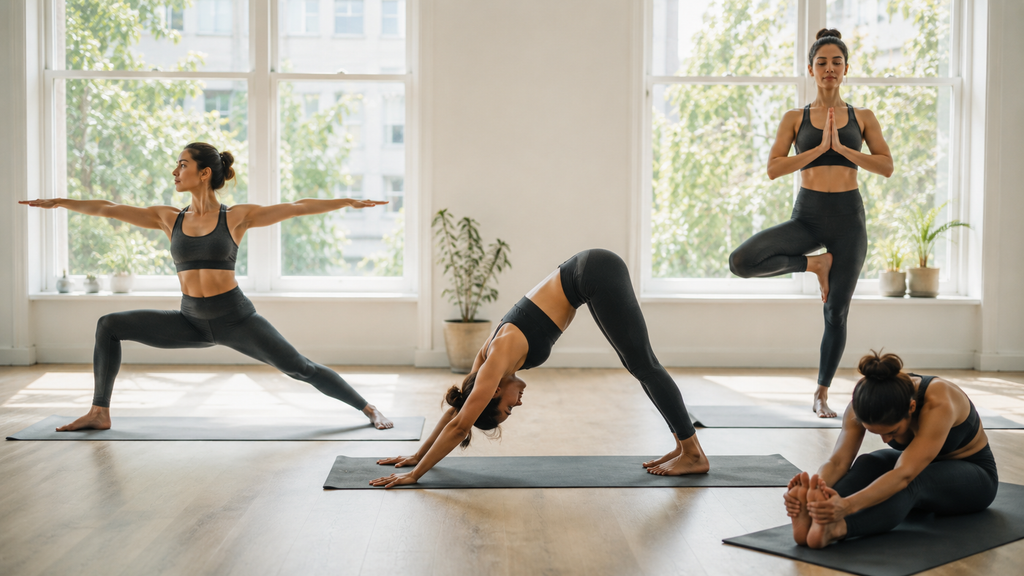
Yoga Isn’t Just About Your Body
This is where this article begins.
We separate physical state from mental state as though they have nothing to do with each other, but think about the times when you are stressed. Your shoulders tighten, your breathing changes, you can’t sleep, you feel tired even when you haven’t done anything vigorous. Your entire body is communicating with your mind, and yoga can give you the opportunity to listen to what it is saying.
6. It Can Help You Manage Stress its one of the best Benefits of Yoga
Stress is a dirty word.
At some point, almost all of us experience the pressure of work deadlines, the worry of family, financial strain, school, social media, email, and a thousand other things that make us feel like we can’t breathe.
Sometimes life just needs to take a break, and yoga can give you that break by helping tune out all of the stressful stuff going on around you and just focusing on your breathing and movement.
While studies show conflicting results on the power of yoga to actually reduce stress, there are still plenty of real people who can tell you that a yoga session can leave you feeling calm and collected in a matter of minutes.
7. It Can Help You Relax
Yoga doesn’t always have to be an intense full-body workout. Sometimes, it’s good to just take it easy; stretch out those sore muscles and do a few relaxing poses to help you de-stress after a long day.
This is something many of us could stand to do more often.
8. The Benefits of Yoga is it Helps You Become More Aware of Yourself
This one is actually huge and one of my personal favorites.
Yoga keeps you very very aware of what is going on in your own body, like how stretched out you are, if you’re breathing, where you’re sore, or maybe even if you’re just having an off day.
Constant awareness is a very important part of yoga, and if you practice it outside of yoga, you might find yourself having an “aha moment” on just about everything in life.
9. one of the Benefits of Yoga is it Can Improve Focus
Try balancing on one foot while trying to think about ten different things at once. It isn’t as easy as it sounds, and that is sort of what yoga teaches you to do.
It forces you to center your focus on one thing: your breathing.
Now, I’m not saying one yoga session can make you a genius at focusing, but it can definitely give you a good groundwork for mindfulness and awareness.
10. It May Help With Sleep
Have you ever fallen asleep tired, only to realize your brain decides that it was the perfect time to wake up?
Relaxing yoga sessions can sometimes do the trick when it comes to getting those tired eyes of yours to close and stay closed, especially if you’re having trouble focusing throughout the day.
I wouldn’t say it’s a miracle cure for insomnia or anything, but focusing on your breathing and muscles can help you relax after a stressful day and get you ready for sleep.
Together, these are some of the benefits of yoga that may support relaxation, self-awareness, focus, stress management, and better sleep.or a long, peaceful sleep.
Yoga and Food: The Combination That Makes Benefits of Yoga More Sense
Here are a few thoughts for you.
You could spend an hour doing yoga and then spend the rest of the day eating poorly. That does not mean that your hour-long session was a waste. Your overall health is not defined by one visit to the gym. It is defined by what you normally do.
Think of it as a matter of balance. Yoga provides your body with movement, but food provides your body with fuel and nutrition.
A well-balanced diet can consist of vegetables, fruits, whole grains, pulses, legumes, nuts, seeds, protein-rich foods, healthy fats, and adequate water.
And you do not need to worry about some strict “yogi diet” when you do yoga. Healthy eating can often be as simple as choosing nutrient-dense foods and developing wholesome patterns that you enjoy and can stick to.
Interestingly enough, studies show that practicing yoga can often lead to adopting healthier eating and exercise patterns. So, in this way, one of the greatest benefits of yoga is being able to become more aware and in control of your overall lifestyle.
What Should You Eat Before Yoga?
There is no particular food that one needs to consume before attending to yoga sessions. It may depend on an individual’s daily routine, the intensity of the activity, and how well their body reacts to certain meals.
For instance, one can decide to do a yoga session in the early mornings and feel very well with just a light breakfast. One might also feel the need to snack or eat a meal if they are going to attend to a more strenuous activity.
It is advisable to avoid feeding right before attending to a yoga session. A person should listen to what their body needs and understand that this is also one of the benefits of yoga becoming more aware of what your body needs.
What Should You Eat After Yoga?
After a more challenging workout, your body will benefit from nutrients to aid recovery and restore energy.
One easy way is to create a balanced plate of:
Protein + carbs + vegetables or fruit + healthy fats such as olive oil
Use whole food as your guide,
for instance, a plate with veggies, some protein plus whole grains or another carb.
Don’t stress over getting it perfect; the point is to eat healthy most of the time.

Can Yoga Help With Weight Management?
This is a question with which many people are likely to identify. The honest fact is that it depends.
Yoga can be more of a low-impact exercise than something like running or HIIT training. However, weight management is a complex issue that extends beyond simple calorie burning and workouts.
The diet you follow, your overall level of activity outside of the yoga practice, your sleep schedule and stress levels, and even your attitude towards life can affect your weight.
Yoga can bring a positive change to the equation due to its health benefits. It will keep you busy for a while. It can teach body awareness and control. It may reduce stress. And, most importantly, it can make a lasting impression on your mind concerning your approach towards exercise in general.
As such, it is better to think of yoga as a tool than an all-encompassing solution. These are some of the benefits of yoga that can support a healthier approach to weight management and overall well-being.
How Should a Beginner Approach Yoga chasing the Benefits of Yoga?
There is no point in trying to achieve mastery over challenging yoga poses. No one expects you to be able to perform handstands in the first session. You do not need special attire or go to an expensive studio. Just 15 or 30-minute-long practices a few times a week will suffice.
A good session might look like this: a few minutes of breathing and relaxation, various warm-up and simple movements, some poses in yoga positions, a few balance exercises, stretching, and several minutes of cool down and relaxation.
This is enough to feel like you accomplished something and look forward to the next session. The important thing is to find the motivation to continue practicing and build consistency. These simple practices can help you experience the benefits of yoga while making yoga a consistent part of your routine.
Frequent Yoga Beginner’s Mistakes
Trying too hard
Instagram and Facebook make people think that everyone is flexible and that they have to be as well, but they are not correct.
Each person has to accept their own limits and work within them instead of hurting themselves trying to reach someone else’s level.
Forcing the body
Progress takes time, so it is necessary to be patient and not try to push yourself too hard.
It is perfectly normal to feel challenged but never hurt.
Breathing incorrectly
Holding your breath is not a good idea in most cases.
It is normal not to be able to control your breath at the beginning of your practice, but you should not ignore this issue.
Trying to do complex asanas for Benefits of Yoga
Some people decide to try everything they see online and attempt complicated poses right away.
It is important to understand that every yoga journey is individual and that progress is only possible through regular practice.
Comparing yourself to others instead of experiencing the Benefits of Yoga
As mentioned earlier, each person’s body is unique.
Many beginner yogi spend too long comparing themselves to others instead of focusing on their own path.
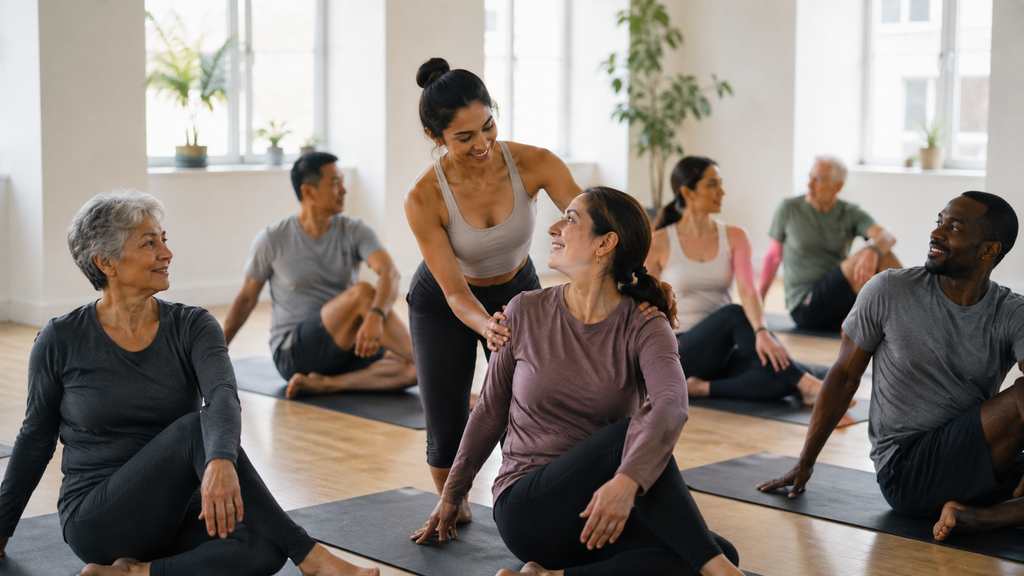
Is Yoga Safe for Everyone?
Yoga is generally a safe activity for most people, but there are some risks of getting injured. Therefore, it is essential for beginners to perfect their skills and avoid trying too complicated postures.
If you are pregnant, have an injury, or any other health issues, consult your doctor about doing yoga. Moreover, remember that yoga is not a substitute for the standard health care.
Understanding these precautions can help you safely experience the benefits of yoga as part of a healthy lifestyle.
How to Turn Yoga Into a Lifestyle
The hardest part of doing yoga is not learning the tricky poses. It is showing up to do it.
You could start with ten minutes. Then twenty. Soon enough, you may find yourself looking forward to those few minutes on the mat.
Something magical can happen. You start to notice your posture throughout the day. Your breathing. What you are eating (and perhaps need to avoid). When you are becoming tense and should take a breath.
Yoga becomes infused into your life – as a means of caring for yourself. This is one of the lasting benefits of yoga, as it can help you become more aware of your body, your habits, and your overall well-being.
Frequently Asked Questions About Yoga and Benefits of Yoga
How often should I do yoga?
It is better to follow specific rules and guidelines for proper yoga. For example, beginners should do yoga several times a week and increase the frequency as their bodies allow.
Can I do yoga as a beginner?
Of course, everyone can start doing yoga. There are options for beginners who have never done any movements before, so it is easy to find something light for a newbie.
Can yoga reduce stress levels?
Studies have shown that yoga can reduce stress and help get rid of gray matter. However, it cannot replace a psychiatrist in case of a problem, so it is a good prevention but not a complete solution.
Should I eat before a yoga session?
Eating something before yoga is individually selected for each person and depends on how much time has passed since the last meal. It is better to eat light foods rather than eat a lot before the start of the activity.
Is yoga a good workout?
Yoga is a healthy exercise that can be part of a good fit. However, each person needs to decide for themselves whether they need only yoga or need to complement it with other sports because everyone needs an individual approach.
Final Thoughts
We often seek out complicated solutions to our health problems. A new diet. A new workout program. A new supplement. A new fitness challenge.
But sometimes the answer is as simple as moving your body, eating wholesome foods, getting proper rest, taking care of your mind, and doing this all consistently.
Yoga can help you with some of these things, simply by giving you a reason to get moving. A reason to slow yourself down. A reason to breathe. And a reason to take that ever-elusive “self-care” day that you always hear about.
You don’t need to be flexible to start yoga. You don’t need to be in your twenties. You don’t need to be fit. You don’t even need to know what you’re doing.
Just lay down on your mat. Take a deep breath. Move at your own pace and spare yourself a few minutes to be present.
Because at the end of the day, yoga wasn’t meant to be an exercise in flexibility. It’s meant to be an opportunity to connect with yourself, your body and your mind – and every now and then, that’s a pretty good thing. Experiencing the benefits of yoga can begin with something as simple as giving yourself a few quiet minutes to move, breathe, and be present.
It was a very good blog!
It was an informative blog